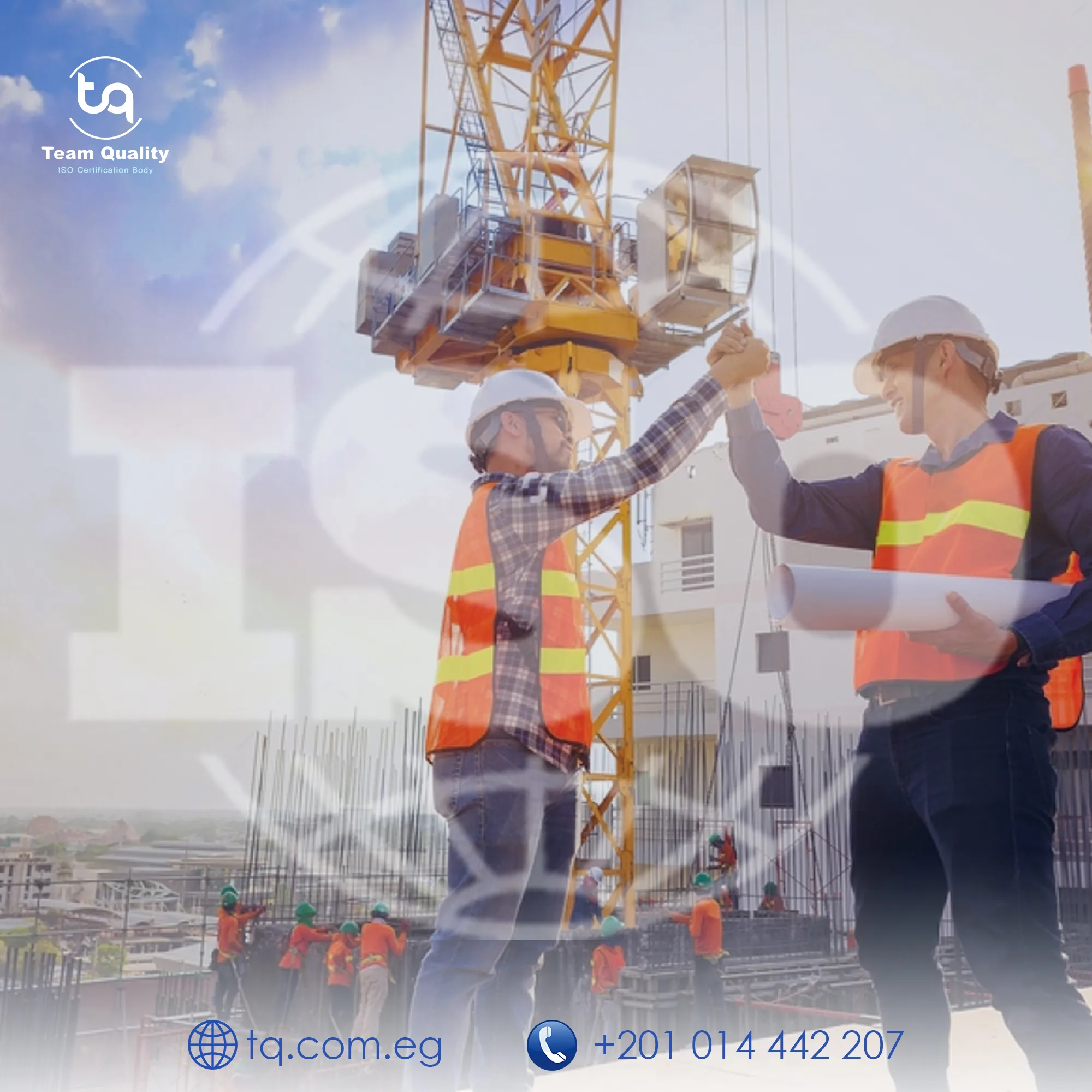
Occupational health and safety is the field dedicated to protecting workers from the many kinds of hazards linked to their work or working conditions. It is a cornerstone of sustainable development and makes a major contribution to the national economy, because it focuses on the people who do the work and on keeping the working environment safe, decent and sustainable. Team Quality awards ISO 45001:2018 certification for occupational health and safety management systems and is an accredited certification body (verify our accreditation on IAF CertSearch).
Objectives of Occupational Health and Safety
The World Health Organization and the International Labour Office have set out several objectives for occupational health:
- Placing each worker in a job that suits their psychological and physical capabilities.
- Protecting workers from hazards in the working environment.
- Ensuring that no worker’s health is compromised by their working conditions.
- Achieving the highest possible level of social, psychological and physical well-being for workers in every field of work.
Steps in Occupational Health and Safety
There are several steps through which the tasks and objectives of health and safety at work can be put into practice:
- Publishing educational material to raise workers’ awareness.
- Keeping pace with developments in health and safety that affect the working environment.
- Coordinating between factory owners or managers and the Civil Defence authority.
- Appointing one or more supervisors for every workplace.
Occupational Health and Safety Systems
Health and safety systems are among the most important systems that companies are keen to have in place. Assessing an occupational health and safety system involves measuring how well it can evaluate and control risks.
This covers every aspect of the subject, from its history and development to its effects on the health and safety of the user.
The Impact of ISO Certification
- Competitiveness: ISO certification enables companies to compete more strongly against their rivals.
- Cost savings: ISO certification can help an organisation save considerable money, time and resources.
- Meeting importers’ requirements: ISO certification can help companies meet the requirements of importing bodies.
In general, ISO certification plays an important role in developing and improving organisational performance and achieving the desired success.
The Importance of ISO and Quality Certification
- Improved efficiency: ISO certification helps improve working efficiency and performance across the organisation.
- Greater customer satisfaction: These certificates strengthen customers’ confidence in the products and services provided.
- A better market reputation: ISO certification helps enhance the organisation’s reputation in the market.
- Higher sales and profitability: ISO certification can help companies increase their sales and profitability.
Conclusion: The Importance of ISO and Quality Certification in Occupational Health and Safety
In conclusion, ISO and quality certification plays a decisive role in strengthening occupational health and safety. These certificates help create a safe and healthy working environment and improve organisational efficiency and performance. They also build customer confidence and enhance the organisation’s reputation in the market. Every organisation should therefore seek to obtain them and commit to the relevant quality standards to secure success and sustainability amid growing competition in global markets.